About VRChem
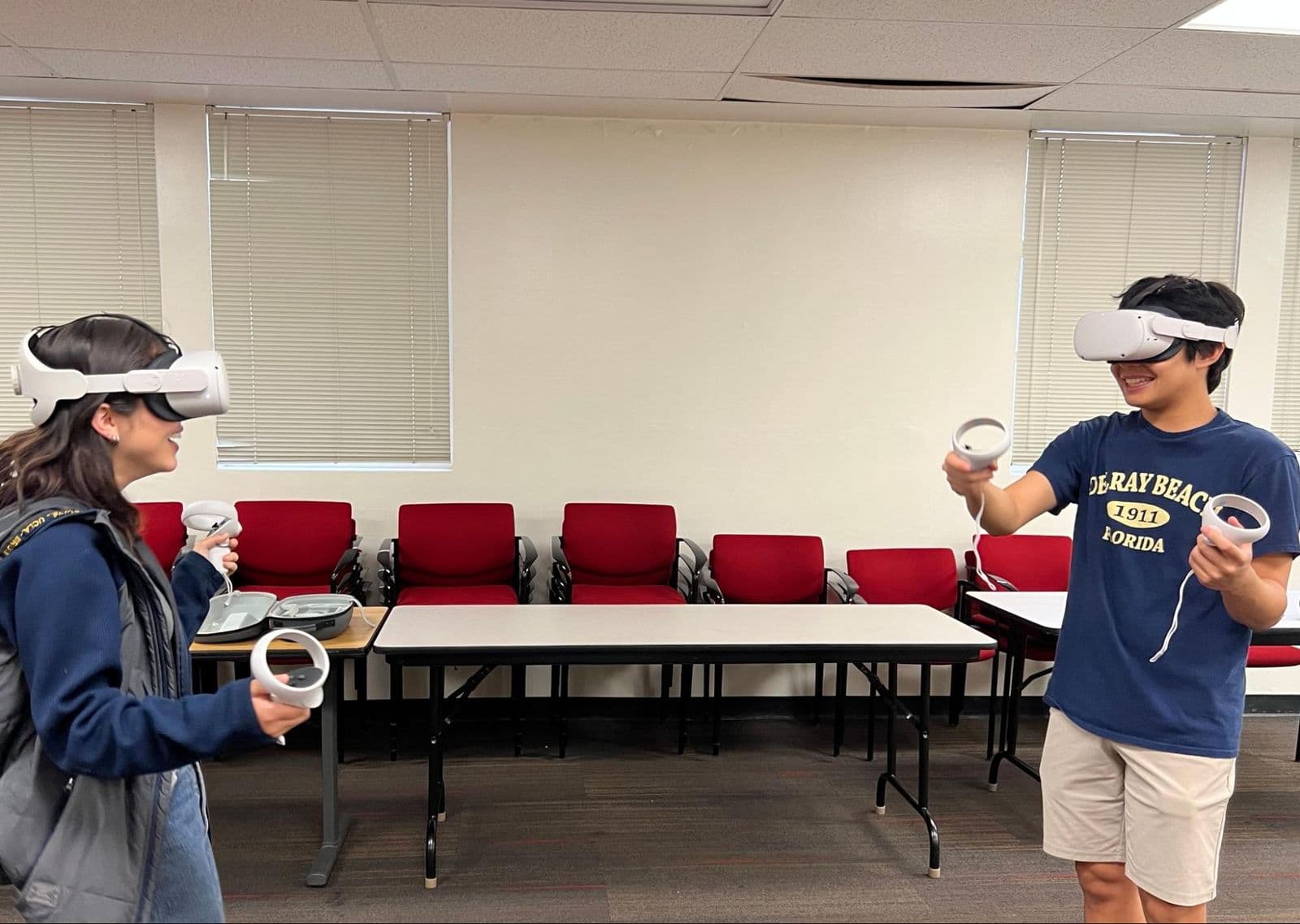
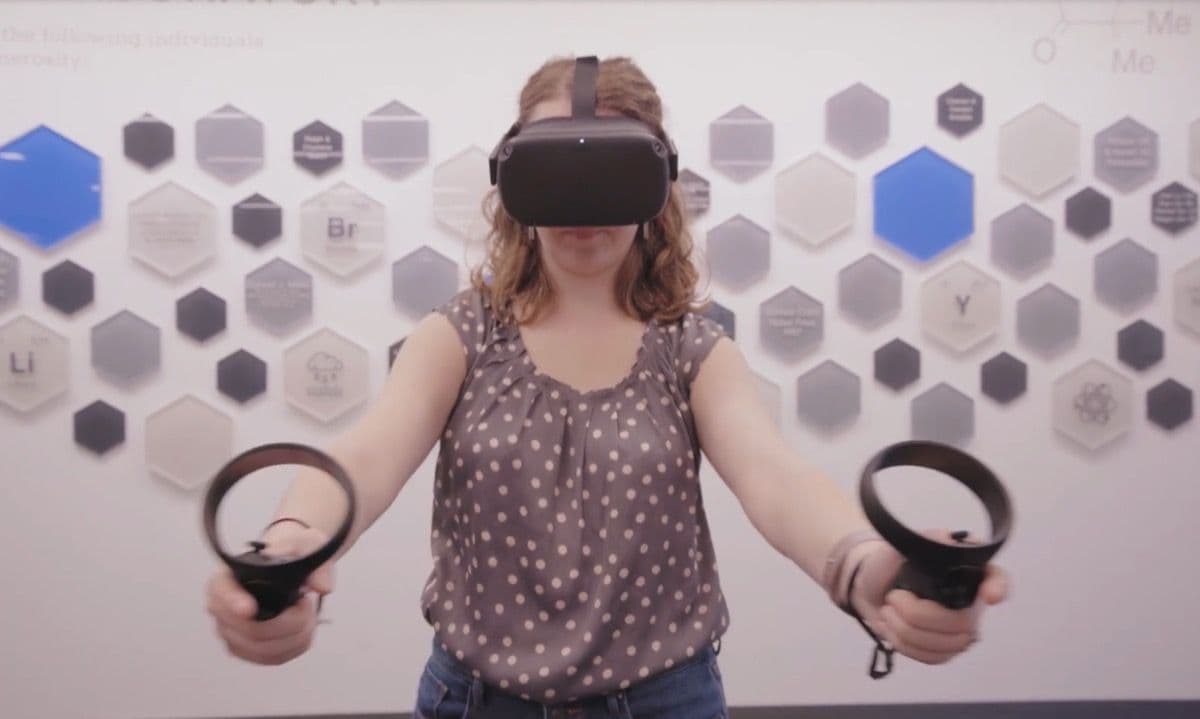
This UCLA-created resource helps bring the wonders of chemistry to life by allowing users to interact with molecules and reactions in immersive VR environments.
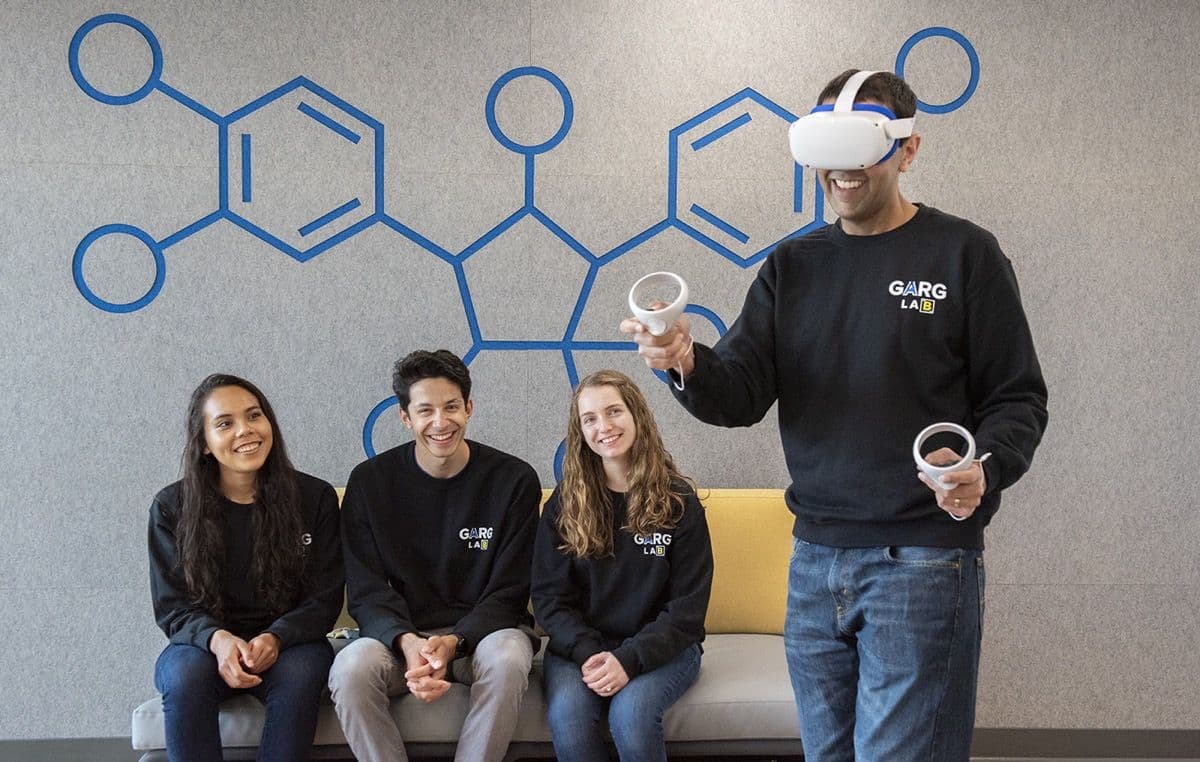
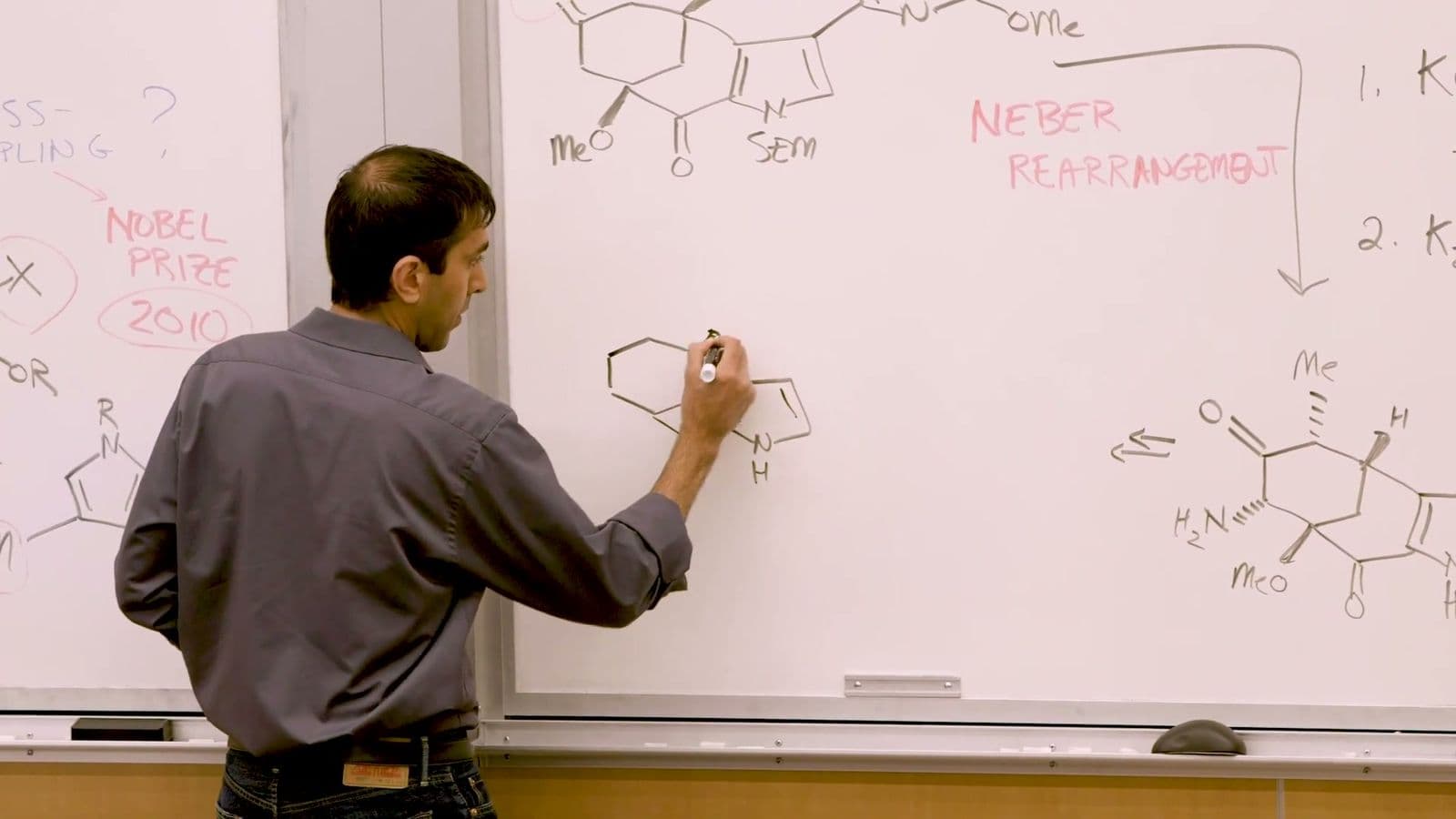
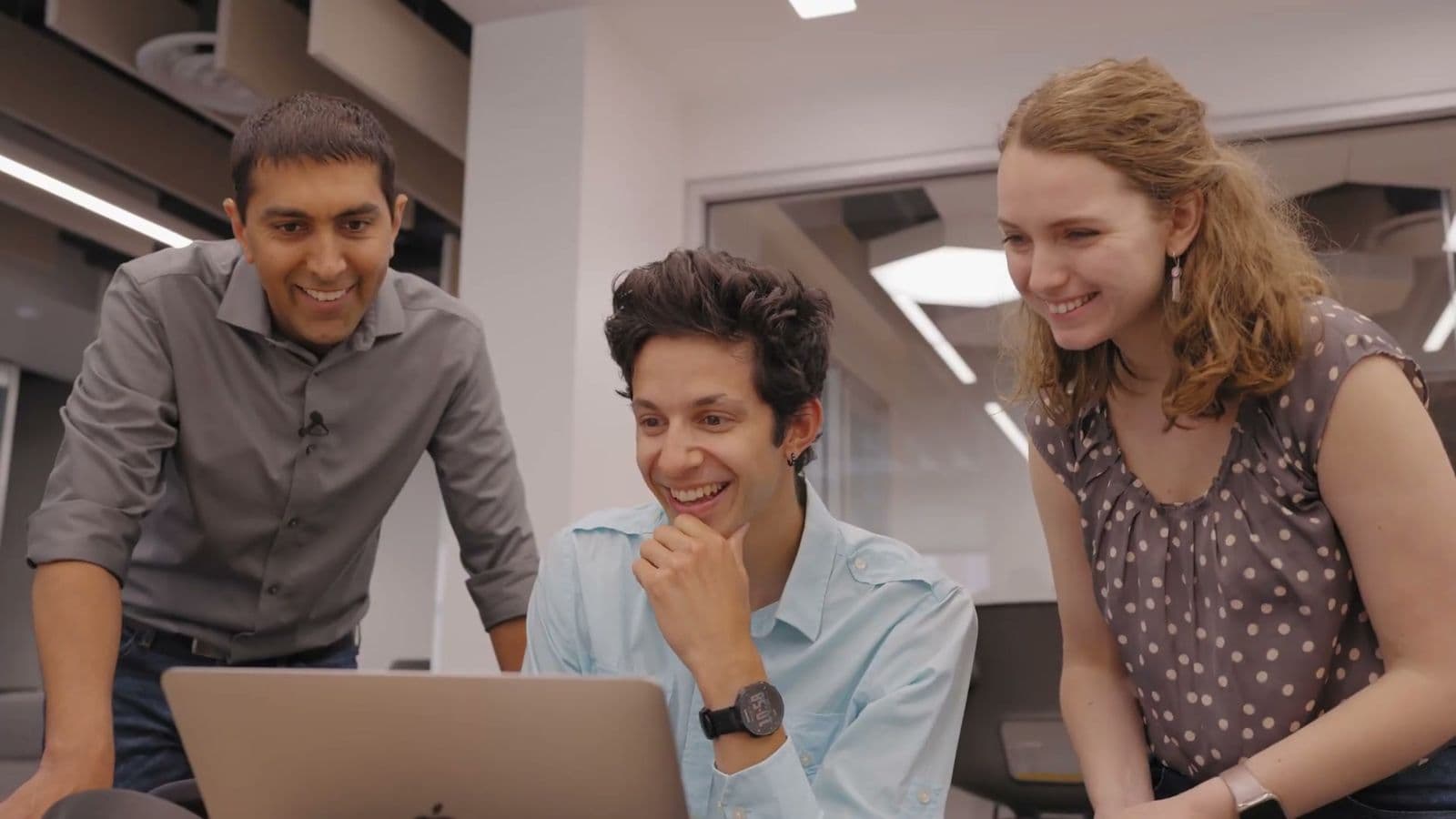
The project is led by UCLA Distinguished Professor Neil Garg, in collaboration with Dr. Daniel Caspi (Element26, Inc.).
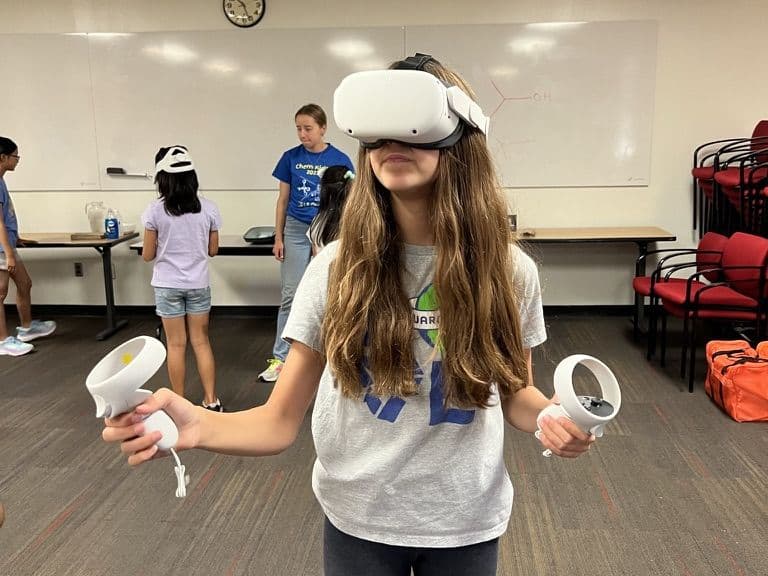
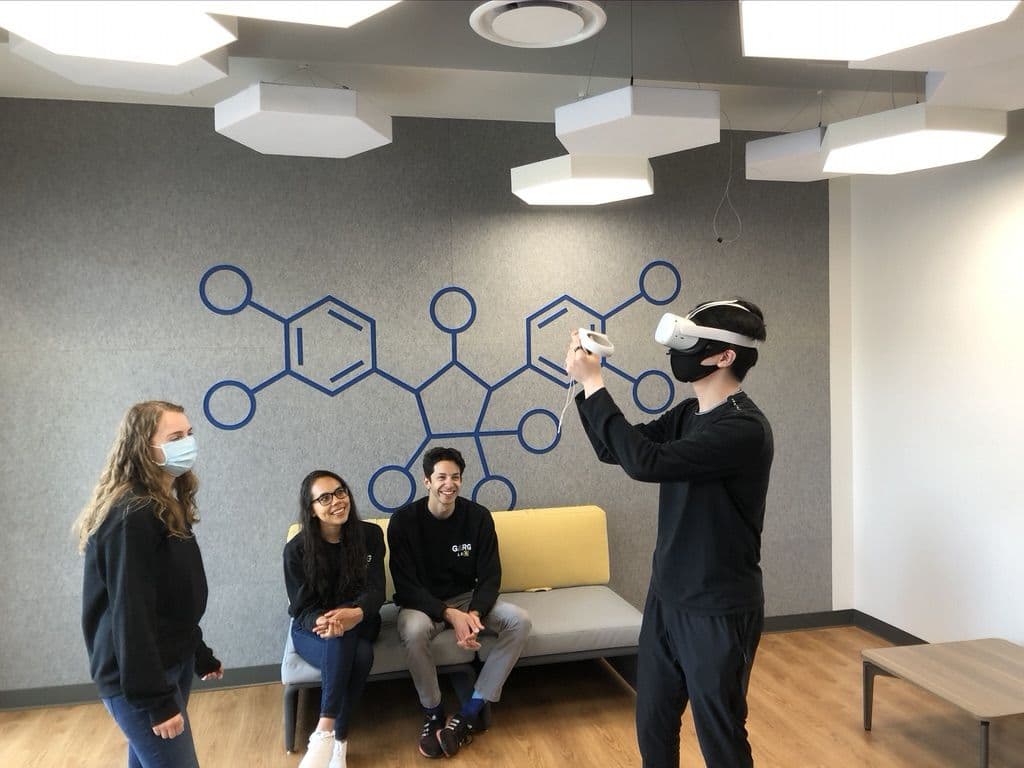
WHAT WE DO
Making molecular visualization accessible to everyone.
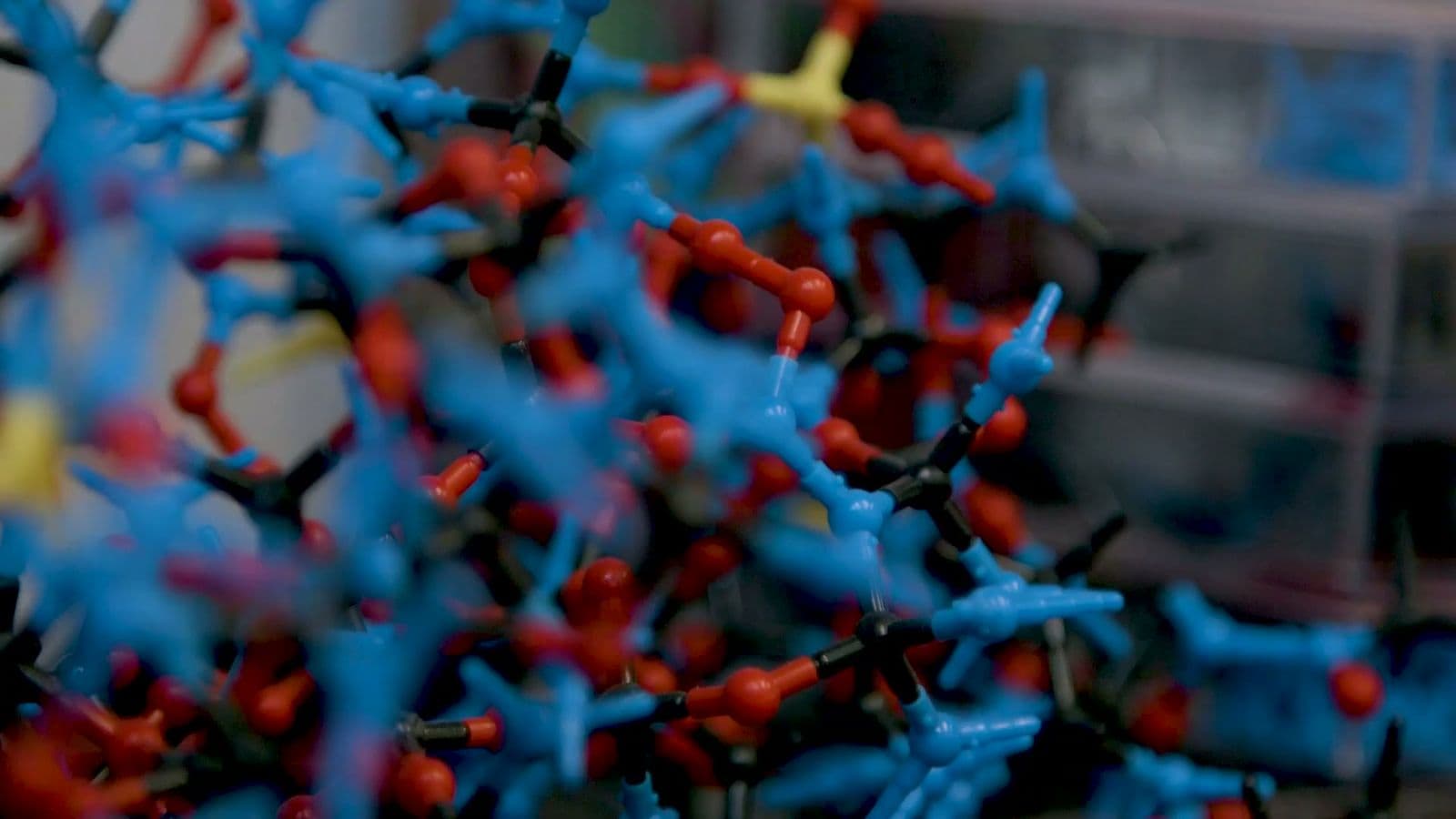
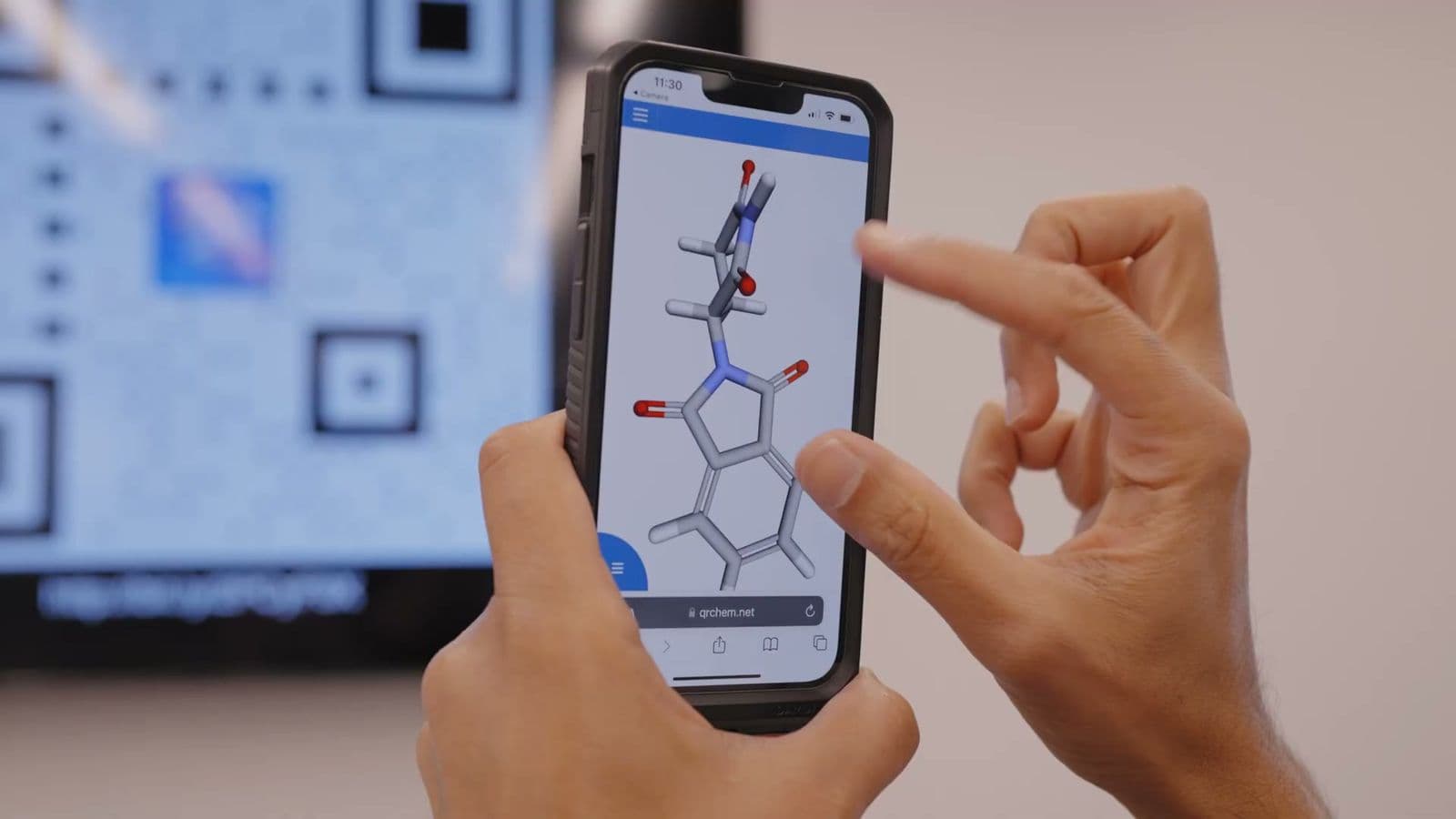
VRChem lets students, educators, and researchers explore molecular structures in immersive virtual reality. Search over 100 million compounds from PubChem, upload your own files, and customize how atoms, bonds, and orbitals are displayed.
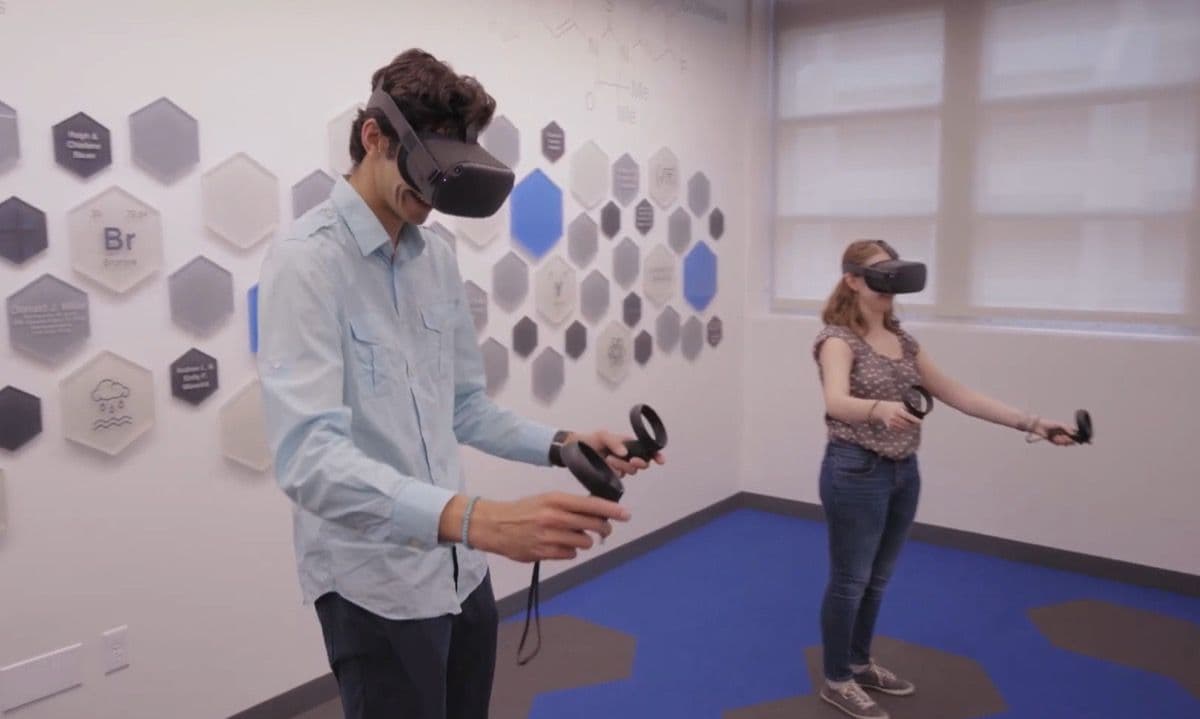
Export any molecule to a VR-ready format and experience it on a headset — grab atoms, rotate structures, and scale models with your hands. Multi-frame animations bring reactions and conformational changes to life.
Built as a free, open educational resource by the Neil Garg Lab at UCLA, VRChem bridges the gap between 2D textbook diagrams and true 3D understanding.
CUSTOM VR MOLECULES
Opening a custom VR molecule
When you Create a molecule and Export it to VR, VRChem generates a short code for it. That code is shown on the export result screen as soon as your model is ready.
Enter the code in the “VR molecule ID” field in the header, or type it directly on a VR headset, to open that exact molecule. The code is the bridge between the model you built on the web and the immersive view on the headset.
Project Contributors
Thank you to all the students and researchers who have contributed to making VRChem possible.